Pick the other format
Choose the source format in the converter above. The target is already set to PFA, so you only add the file.
PFA converter
Drop a .ttf file here or click to upload
PFA (Printer Font ASCII) is a legacy Adobe Type 1 PostScript font format. The .pfa file is a plain-text representation of a PostScript font program, every byte is human-readable ASCII, which made the format portable across operating systems and easy to inspect with any text editor. PFA dates to the early days of desktop publishing and is rarely seen on the web today, but it still turns up in print shops, legacy CAD pipelines, and Unix typesetting workflows.
Choose the source format in the converter above. The target is already set to PFA, so you only add the file.
Drop a font on the box or browse for one. A progress row shows while the job runs.
When the job finishes you see the new file name. Download it, or convert another font straight away.
Compress
Repack the font into a smaller, browser-ready container.
Decompress
Unpack a compressed web font back to its raw outline data.
Subset
Ship only the glyphs a page actually uses.
Pick the format of the font you have. PFA is already the target.
Drop the file on the upload box or click to browse, then press Convert to PFA.
Wait for the result, then download it. Free-tier files are deleted automatically.
Adobe published the PostScript Type 1 font specification in 1984 alongside the original Apple LaserWriter. The Type 1 format defined glyph outlines as cubic Bézier curves with sophisticated hinting instructions, the same technology that would later inspire the OpenType cubic flavour. Adobe kept the encrypted internals of Type 1 closed until 1990, when the company published the full Black Book specification in response to the pressure from TrueType. PFA is one of two container formats for Type 1: ASCII text for portability, and PFB for compact binary. PFA dominated Unix and PostScript-printer environments while PFB ruled Windows and macOS. With the OpenType handover in the late 1990s both PFA and PFB began a slow retreat, but they remain in active use anywhere PostScript-native print pipelines still operate. Some font designers also prefer the .pfa container for diffing and version-control workflows because it is plain text, a binary .pfb file is opaque to git, but a .pfa file is just bytes you can grep.
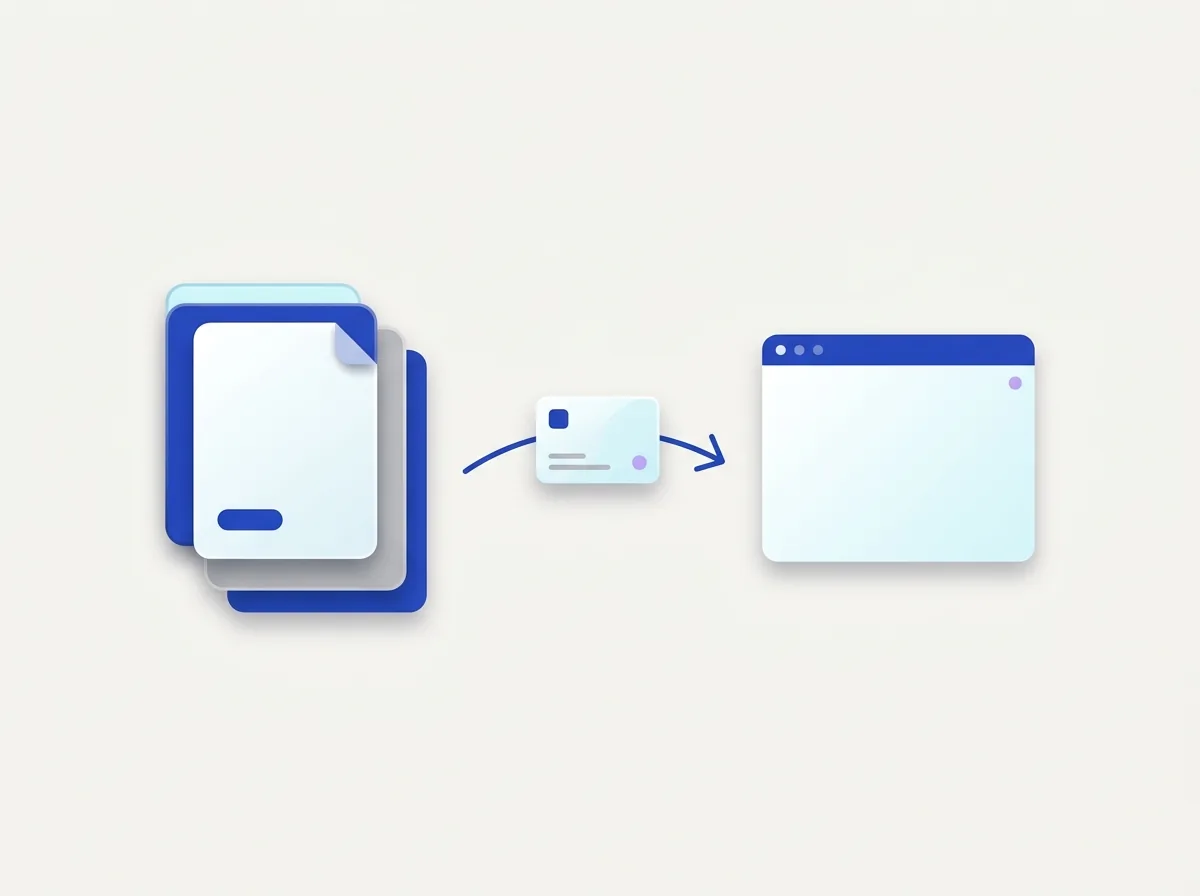
The upload box shows the live size limit before you add a file. Signing in raises it, and paid plans raise it further.
PFA converts to and from the other seven public font formats. The lists further down the page link to each pair.
Files are uploaded to Cloudflare R2 storage for processing and are encrypted in transit.
Free-tier files are deleted automatically after the job finishes. Signed-in output stays in your history for your plan's retention period.
Inspect a font for free in the font workspace, then convert it.
Open the font workspaceFor PDFs, Word, PowerPoint and scans, AI Extract turns documents into clean Markdown or JSON, tables, layout and reading order preserved.
Open AI Extract →

Turn the font a designer sent into a file you can load with @font-face.
Convert a web font back into one you can install, when its licence allows it.

Move an old font on an older site into a format current browsers open.
No tool matches that search.
Yes, in narrow professional niches. Commercial print shops with PostScript-native RIPs still consume PFA files directly, and Unix typesetting systems built on TeX or groff often expect Type 1 fonts. Outside print, PFA is essentially extinct.
Both are containers for the same underlying Adobe Type 1 font program. PFA stores it as plain ASCII text, portable, larger on disk, easy to read with any editor. PFB stores it as compact binary, smaller, but harder to inspect. The font itself is identical.
Yes. Our converter parses the PFA Type 1 program, rebuilds the glyph outlines as cubic Béziers in an OpenType container, and wraps the result in a Brotli-compressed WOFF2 envelope. The conversion is lossy on hinting fidelity but visually identical at typical web sizes.
Yes. Free conversions need no signup and add no watermark.
No. You can convert a font without signing up. Signed-in conversions use credits, and the result stays in your history.
Yes. Every pair has its own page. The links under the conversion lists open them.
Converting a file does not change its licence. Check that the licence lets you convert the font and embed it on the web before you publish it.