I-601A

Application for Provisional Unlawful Presence Waiver

Agency
USCIS
Revision
Edition 01/20/25
Fillable fields
257
Pages
9
Official source
USCIS form page
Checked
October 20, 2026
Fill I-601A online
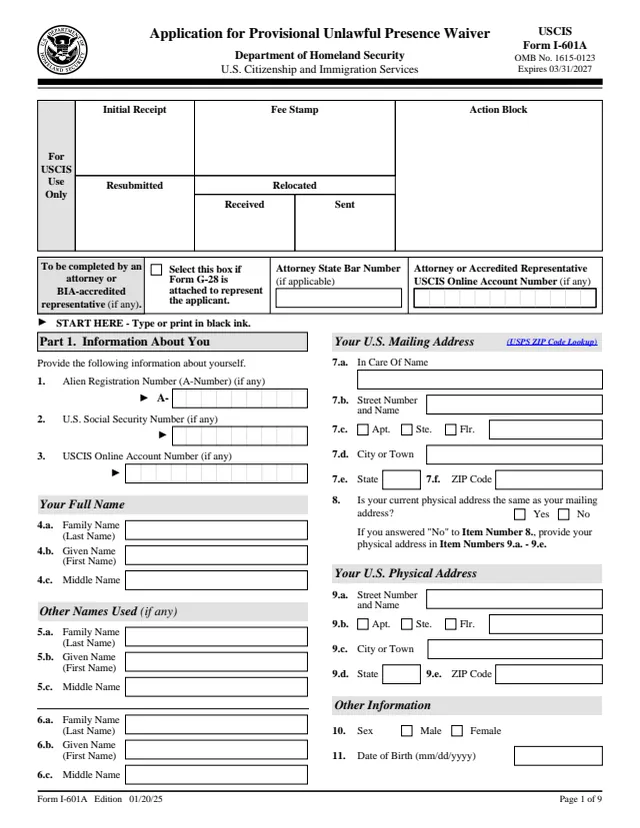
Page 1 of form I-601A

Form I-601A: Application for Provisional Unlawful Presence Waiver

Form I-601A, Application for Provisional Unlawful Presence Waiver, is the USCIS form certain immigrant visa applicants who are relatives of U.S. citizens or lawful permanent residents use to ask for a provisional waiver of the unlawful presence grounds of inadmissibility under INA section 212(a)(9)(B). It is filed before the applicant leaves the United States to attend an immigrant visa interview at a U.S. Embassy or Consulate.

The instructions say the waiver only takes effect once the applicant departs, attends the interview, and the consular officer finds them otherwise admissible and eligible for the visa. They also say a pending or approved waiver gives no work permit, advance parole or lawful status, and does not guarantee a visa or admission.

The current edition is dated 01/20/25 and runs 9 pages, with 20 pages of instructions (OMB No. 1615-0123, expires 03/31/2027). You can fill it out free in your browser on this page and download the result without an account.

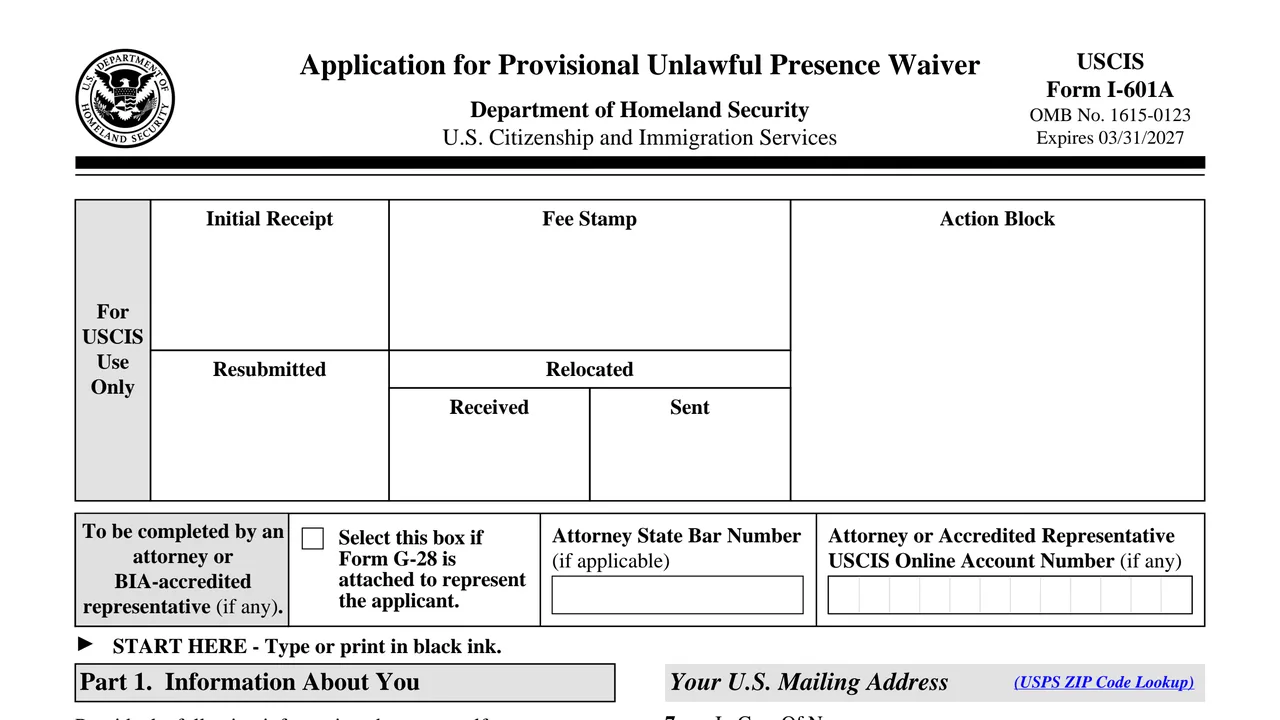
Top of page 1 of Form I-601A: Application for Provisional Unlawful Presence Waiver, as printed by USCIS

What's on Form I-601A

Part 1: Information about you

A-Number, Social Security and USCIS online account numbers, names, U.S. mailing and physical addresses, birth details, citizenship, parents' names, last and previous entries into the United States, and immigration and criminal history.
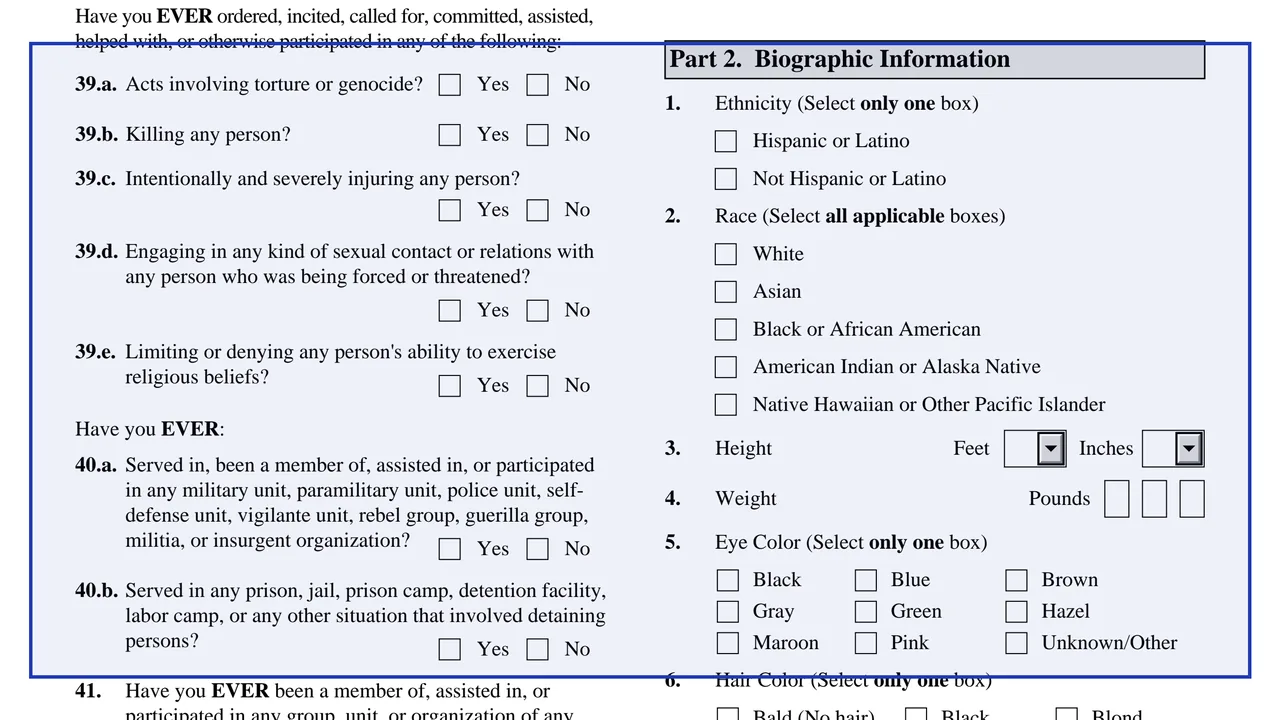
Part 2: Biographic information

Ethnicity, race, height, weight, eye and hair color. The instructions say filling it in may reduce time at the biometrics appointment.

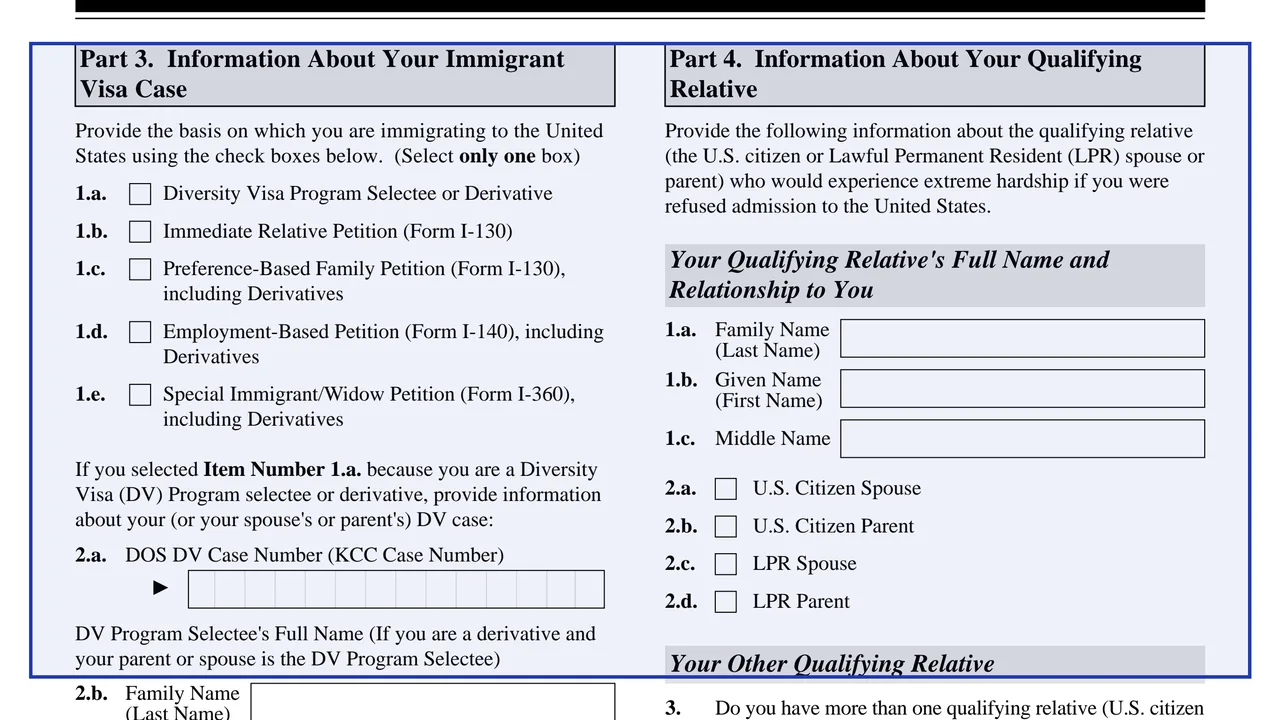
Part 3: Your immigrant visa case

One box for the basis of immigrating (DV Program, immediate relative, family preference, employment, or special immigrant), then the DV case number, or the USCIS receipt number, NVC case number and petitioner's name.

Part 4: Your qualifying relative

The U.S. citizen or permanent resident spouse or parent who would experience extreme hardship, and any second qualifying relative. The instructions say a U.S. citizen or permanent resident child is not a qualifying relative here.

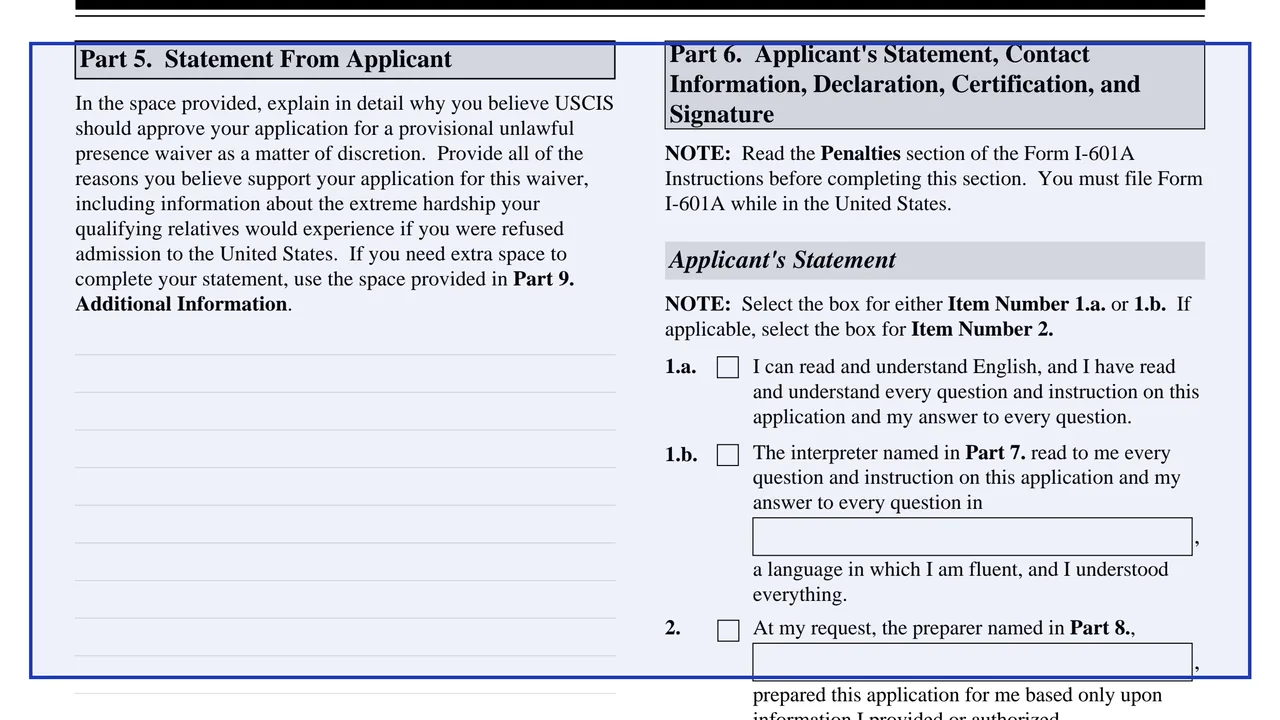
Part 5: Statement from applicant

A written explanation of why the qualifying relative would experience extreme hardship and why USCIS should approve the waiver as a matter of discretion.

Parts 6 to 9: Signatures and extra space

The applicant's statement, contact details and signature, the interpreter's and preparer's certifications, and Part 9 for answers that need more room.

The instructions divide the application into nine parts.

How to fill out Form I-601A

  1. 1

    Use the current edition in black ink

    Type or print in black ink. The USCIS page says every page of a printed copy should show the edition date and page number and come from the same edition, or the form may be rejected.

  2. 2

    Fill in the fields USCIS checks first

    The USCIS filing tips list the A-Number (if any), family name, U.S. physical address, date of birth and country of birth in Part 1, and the basis and case numbers in Part 3. A form missing them is rejected.

  3. 3

    Answer the history questions fully

    Items 27 to 45 cover removal proceedings, final orders, reinstatement, voluntary departure and criminal history. The instructions ask for court dispositions and arrest records even when records were expunged or sealed.

  4. 4

    Write the Part 5 statement

    The instructions list factors USCIS considers for extreme hardship, such as health, finances, education, personal ties and special factors, and ask the applicant to explain why favorable factors outweigh unfavorable ones.

  5. 5

    Put the key documents on top

    The instructions say to place the immigrant visa processing fee receipt, or the DV selection printout, on top of the form. The USCIS page says the fee receipt shows PAID, not In Process.

  6. 6

    Sign Part 6

    A stamped or typewritten name is not accepted. A parent or legal guardian may sign for an applicant under 14. Anyone who prepared the form for the applicant signs Part 8.

Why fill Form I-601A on indox

You get the real form, filled in a browser tab, with nothing standing between you and the finished PDF.

  • Fill the form right in your browser, no software to install
  • Free to fill and free to download, with no account
  • The official blank straight from the USCIS, not a copy someone retyped
  • Works on a phone, tablet or computer

Where to file, fees and evidence

Where to file

The USCIS page says to mail Form I-601A to the USCIS Chicago Lockbox, with one address for U.S. Postal Service mail and another for FedEx, UPS and DHL. The instructions point to uscis.gov/i-601a for the most current filing information.

Fee

The fee is on the USCIS Fee Schedule page, and the instructions also point to Form G-1055. It can change, so check it on the day you file. The instructions say USCIS does not refund the fee if it denies the application after deciding it.

File it alone

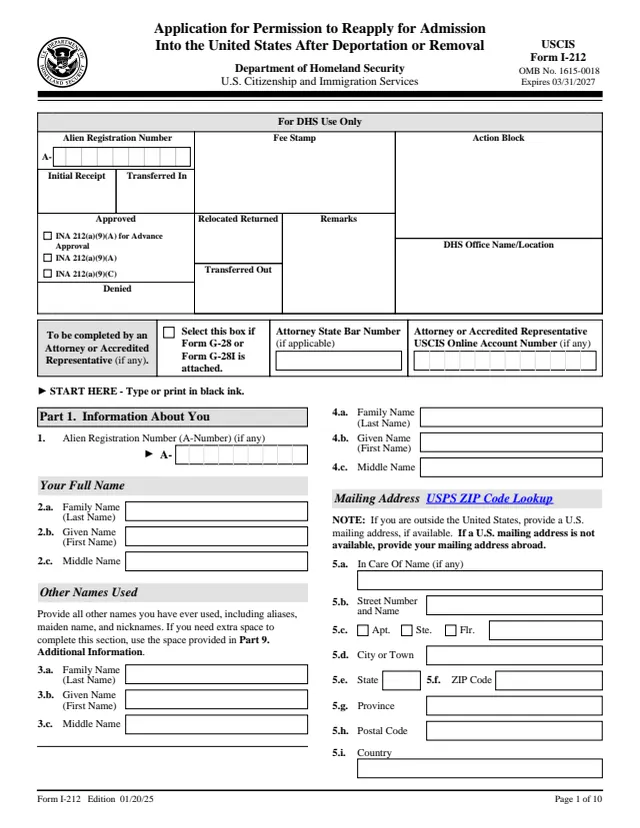
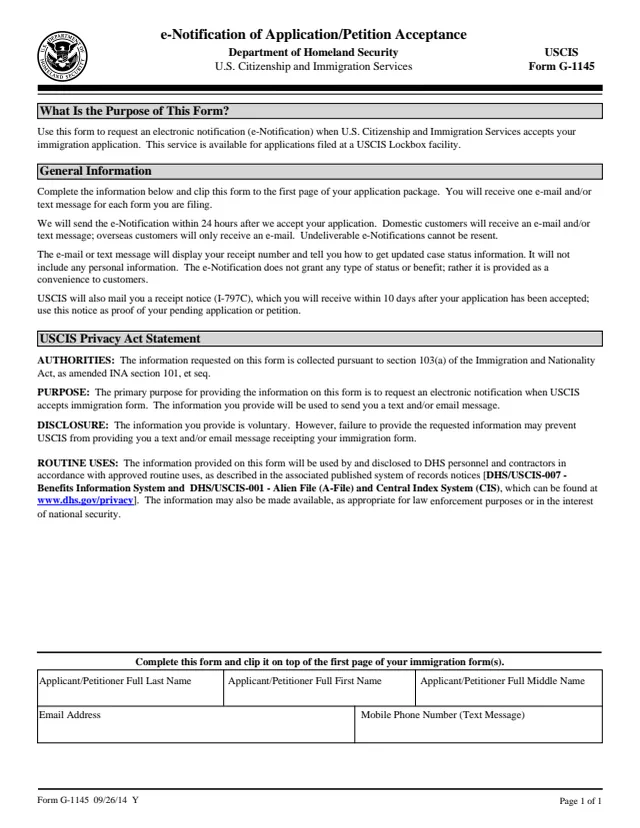
The instructions call Form I-601A a standalone application. They say a package that also contains Form I-485, I-130, I-212, I-131 or I-765 is rejected and returned. Form G-1145 for e-notification may be clipped to it.

Initial evidence

The USCIS checklist lists the fee receipt, the petition approval notice or DV printout, an EOIR administrative closure order or Form I-212 approval if they apply, proof of relationship and status of the qualifying relative, proof of admission or parole, and hardship and discretion evidence.

Biometrics

The instructions say every applicant attends a biometrics appointment at a USCIS Application Support Center, and that USCIS may treat the case as abandoned and deny it if the applicant does not appear.

After filing

The instructions say to send all immigrant visa paperwork to the National Visa Center, which cannot schedule the interview until it has everything.

Who may file Form I-601A?

  • In the United States and at least 17

    The instructions say the applicant is physically present in the United States and at least 17 years old when filing, and has a U.S. address. A filing from someone under 17 is rejected.

  • Beneficiaries of an approved petition

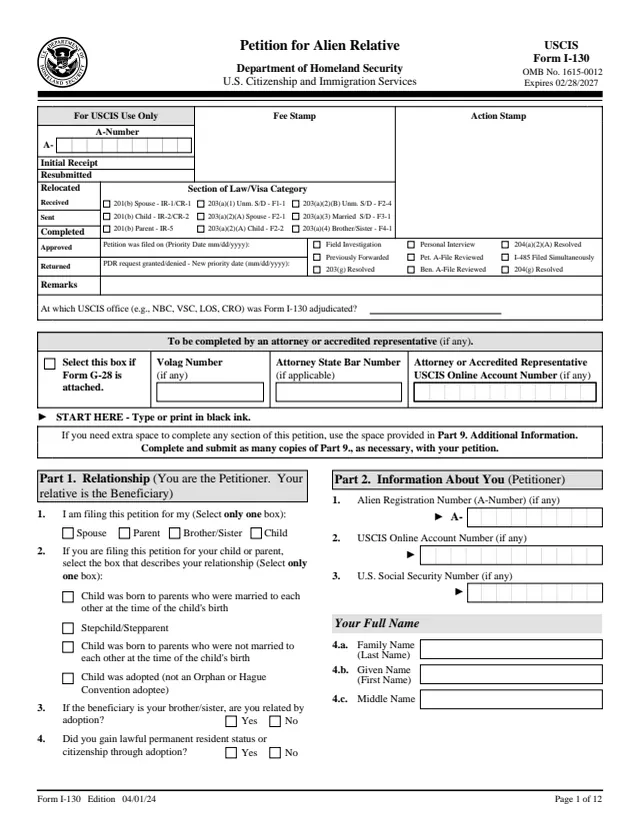
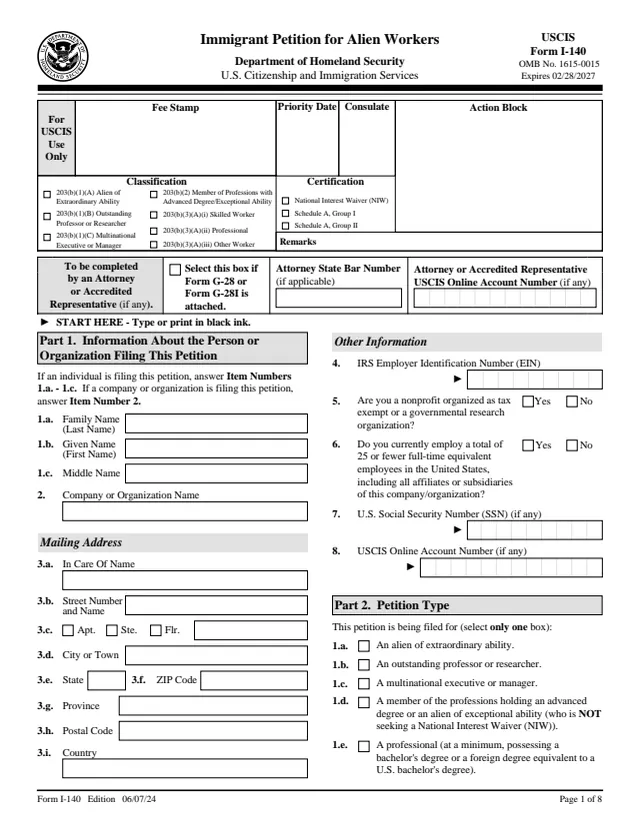
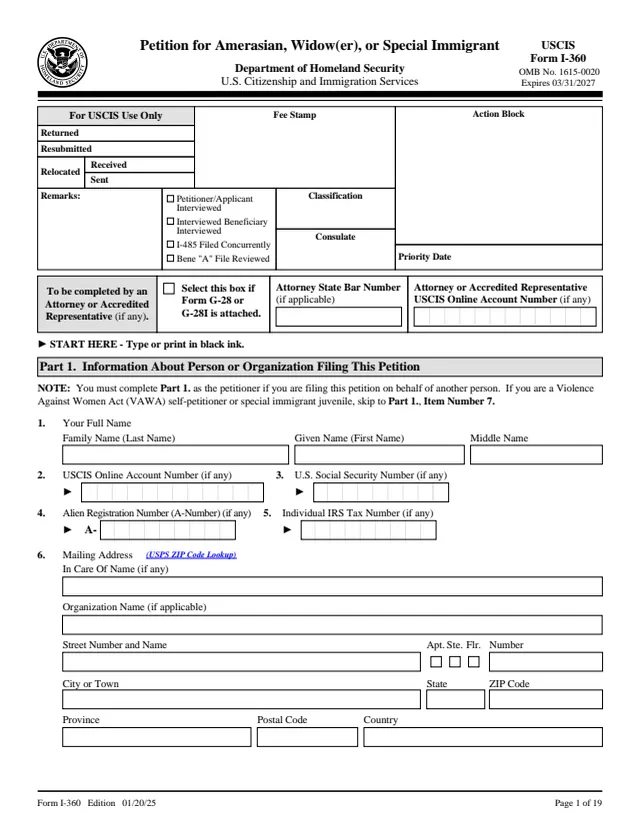
    The principal beneficiary of an approved Form I-130, I-140 or I-360, or that person's spouse or child, who has paid the Department of State immigrant visa processing fee and is in the process of getting an immigrant visa.

  • Diversity Visa selectees and derivatives

    A DV Program selectee, or the selectee's spouse or child, who is in the process of getting an immigrant visa. The instructions say they can file as soon as they are selected and do not send a fee receipt.

  • Inadmissible only for unlawful presence

    The applicant believes they are or will be inadmissible only for unlawful presence of more than 180 days but less than 1 year, or of 1 year or more, during a single stay.

  • Who is not eligible

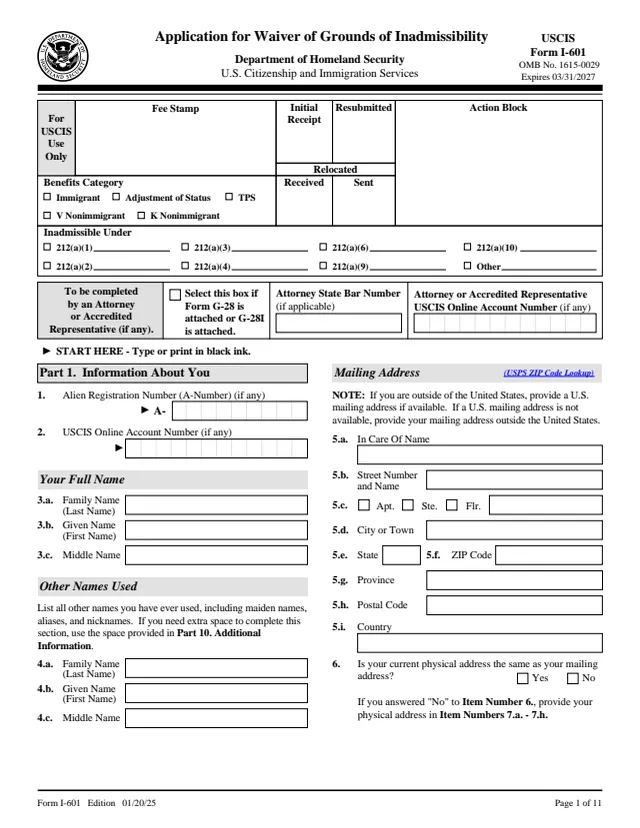
    The instructions name, among others, a pending Form I-485, removal proceedings that are not administratively closed, a final removal order without an approved Form I-212, a final reinstated order, and an unexpired grant of voluntary departure.

The instructions list these conditions, all of which apply at the time of filing.

Official sources and the blank

Do it all with indox

View all 94 tools

Questions about Form I-601A

Does an approved I-601A give lawful status or a work permit?

No. The instructions say a pending or approved provisional waiver gives no interim benefits such as employment authorization or advance parole, no lawful status, and no protection from removal.

When does an approved provisional waiver take effect?

The instructions say it takes effect once the applicant departs the United States, appears for the immigrant visa interview, and the consular officer finds them otherwise admissible and eligible for the visa.

Can Form I-601A be filed with Form I-485 or I-130?

No. The instructions say it is a standalone application, and filing it together with Form I-485, I-130, I-212, I-131 or I-765 leads to rejection. Form G-1145 is the exception.

Who counts as a qualifying relative?

A U.S. citizen or lawful permanent resident spouse or parent, according to the instructions. They say a U.S. citizen or permanent resident child is not a qualifying relative for this application.

Can Form I-601A be filed from outside the United States?

No. The form and instructions say it is filed while in the United States, and the applicant attends biometrics at a USCIS Application Support Center.

What happens if the waiver is denied?

The instructions list three possibilities: attending the visa interview and applying for a waiver abroad on Form I-601 if one is available, filing a new Form I-601A with the fees, and USCIS starting removal proceedings under its current guidelines.