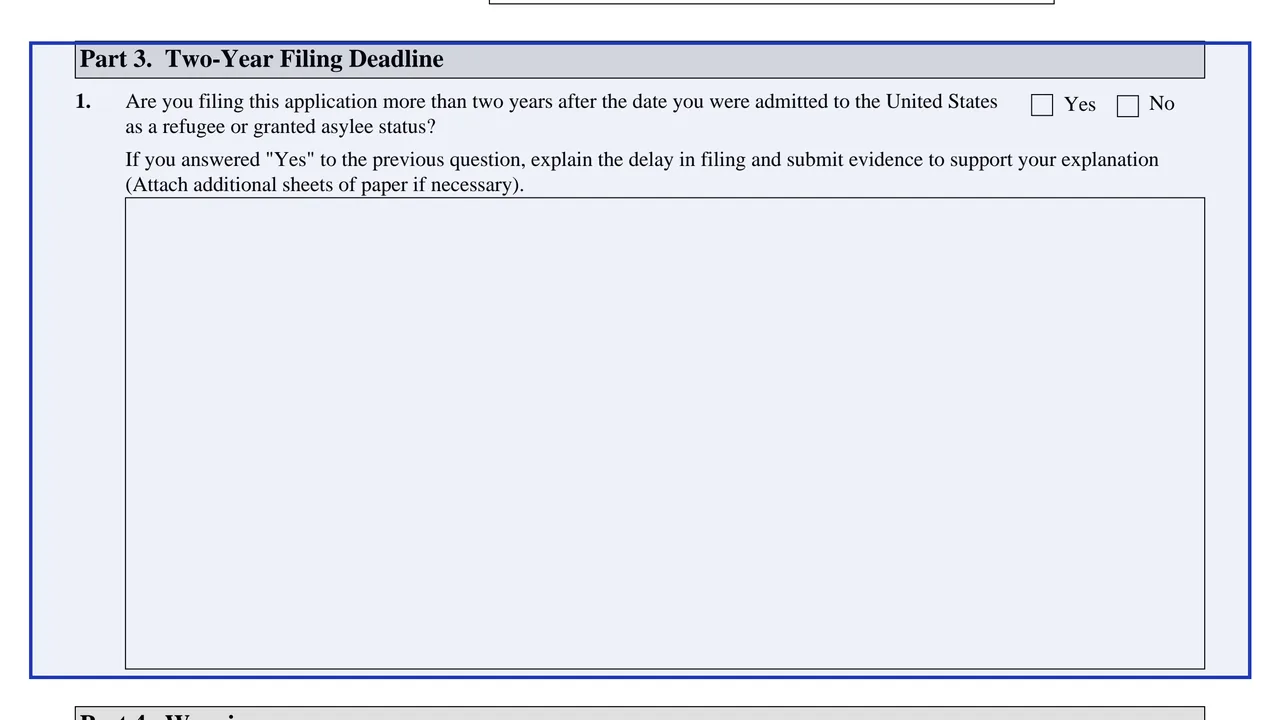
Status and relationship boxes
Before Part 1, the petitioner checks refugee, asylee, or permanent resident based on either status, the beneficiary's relationship, and how many separate Form I-730 petitions are being filed.
I-730
Refugee/Asylee Relative Petition
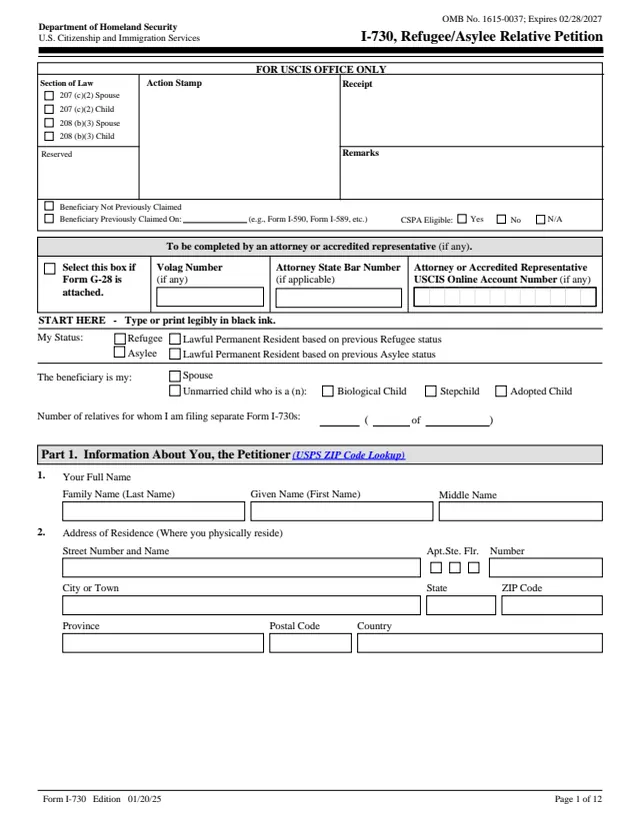
Form I-730, Refugee/Asylee Relative Petition, is used by a principal refugee admitted to the United States within the past 2 years, or a principal asylee granted asylum within the past 2 years, to request that a spouse and unmarried children under 21 join them in the United States. USCIS calls these relatives the beneficiaries, and the benefit is known as following-to-join.
The instructions say a separate Form I-730 is filed for each qualifying family member, and that approval for a relative abroad does not guarantee visa issuance. USCIS says it may waive the 2-year filing deadline for humanitarian reasons, explained in Part 3 of the form.
USCIS describes three processing steps: receipt and initial domestic processing by USCIS Refugee and International Operations, a beneficiary interview at a USCIS domestic or international field office or a U.S. embassy or consulate, and Department of State returns where they apply.
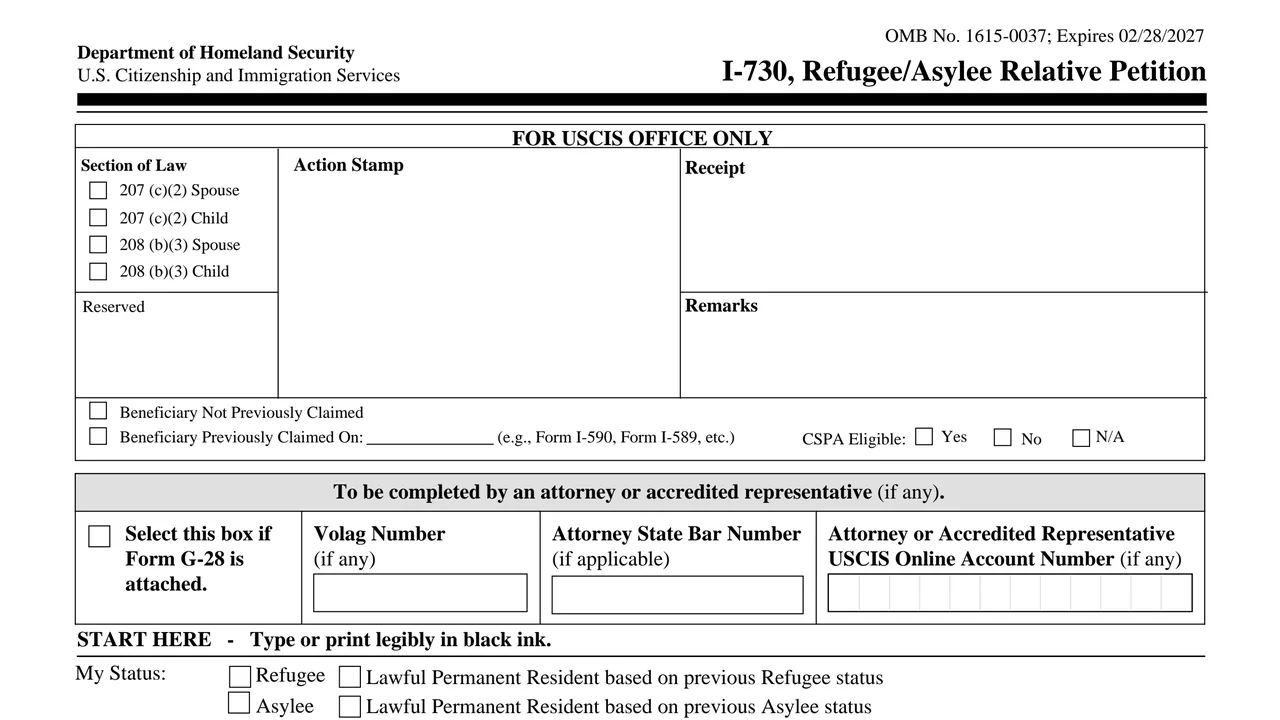
Before Part 1, the petitioner checks refugee, asylee, or permanent resident based on either status, the beneficiary's relationship, and how many separate Form I-730 petitions are being filed.
Name, residence and mailing address, contact details, birth and citizenship, A-Number, marriages, and the date and place asylum was granted or refugee admission took place.
Name, addresses, marriages, whether the beneficiary is in the United States, the name and mailing address in the language of the country of residence, court proceedings, languages and U.S. entries.
Whether the petition is filed more than 2 years after refugee admission or the asylum grant, with space to explain the delay.
A warning about removal and biometrics, the petitioner's statement and signature, and the beneficiary's signature if the beneficiary is in the United States and 14 or older.
The interpreter and preparer sections, and Part 9, which is completed at the beneficiary's interview.
The instructions say a separate Form I-730 is filed for each qualifying family member. The top of the form records how many separate petitions are being filed.
Part 2 asks for the beneficiary's name and mailing address written in the language of the country where they live. The instructions say leaving it out may cause significant delays.
For a petition filed more than 2 years after admission or the asylum grant, the form asks for an explanation of the delay and evidence to support it. The instructions say USCIS decides based on the explanation.
The USCIS page asks for a passport-style or recent clear photograph of each family member and says a missing photo may lead to a request for evidence and longer processing.
The form says to type or print legibly in black ink. Write N/A where a question does not apply and None for a zero. The instructions say unanswered questions may lead to a request for evidence.
A stamped or typewritten name is not accepted. A beneficiary in the United States who is 14 or older also signs at filing. This page lets you fill the form online free, then print it for signature.
You get the real form, filled in a browser tab, with nothing standing between you and the finished PDF.
The USCIS page lists a Phoenix, Arizona P.O. Box for U.S. Postal Service mail and a Tempe, Arizona street address for FedEx, UPS and DHL deliveries, both marked Attn: I-730.
The fee is on the USCIS Fee Schedule page (Form G-1055), which can change. Check it on the day you file.
The USCIS checklist gives examples such as a Form I-94 granting refugee or asylee status, an order from an immigration judge, Form I-766, Form I-512 or Form I-571.
A marriage certificate and proof that prior marriages ended for a spouse, and a birth certificate for a child, with more for a father, stepchild or adopted child. Religious, school or census records, then affidavits, are listed when primary evidence is not available.
For following-to-join refugee beneficiaries, the USCIS page says to submit Form I-590 with Form I-730. USCIS says it will not deny a petition without it but will request it.
The USCIS page says to call the USCIS Contact Center to correct a filed petition, and that USCIS asylum offices do not accept inquiries or requests about Form I-730.
I-589
460 fields, 12 pages
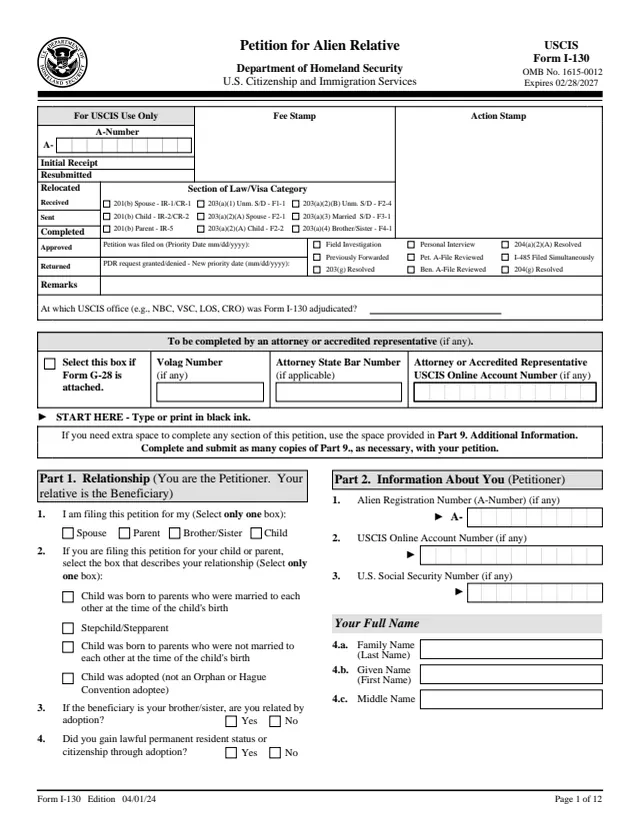
I-130
450 fields, 12 pages
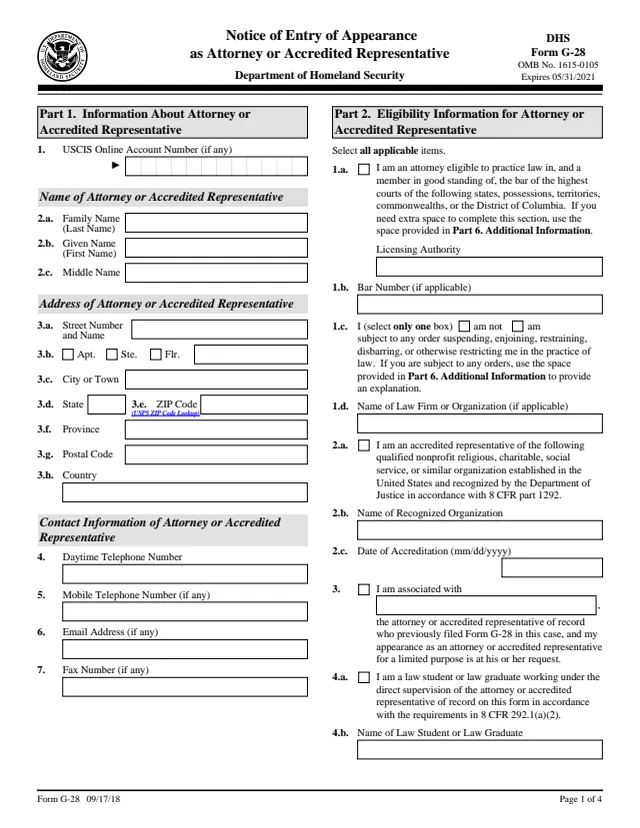
G-28
101 fields, 4 pages
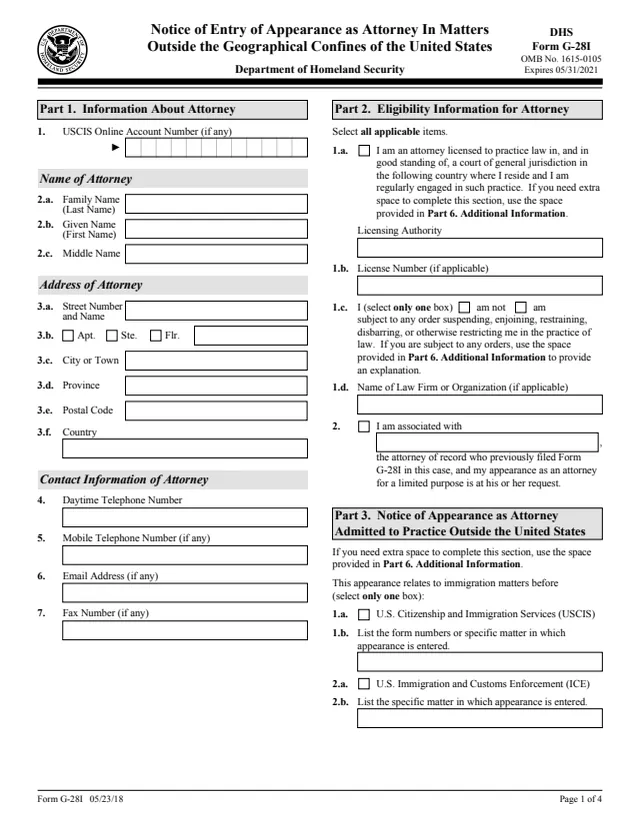
G-28I
83 fields, 4 pages
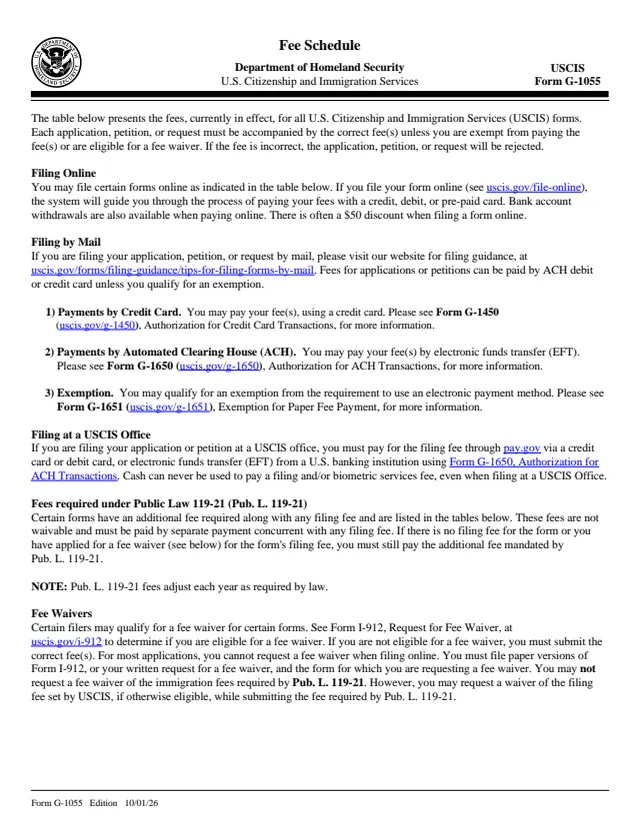
G-1055
64 fields, 58 pages
No tool matches that search.
The USCIS page says a principal refugee admitted within the past 2 years or a principal asylee granted asylum within the past 2 years may file it for a spouse and unmarried children under 21.
The USCIS page says USCIS may waive it for humanitarian reasons. The instructions say to explain in Part 3 why the petition could not be filed within 2 years.
No. The instructions say a separate Form I-730 is filed for each qualifying family member.
The USCIS page says a beneficiary in the United States goes to a USCIS domestic field office. One abroad goes to a USCIS international field office where one has jurisdiction, and otherwise to a U.S. embassy or consulate through the National Visa Center.
The instructions say a child physically born in the United States is a U.S. citizen and no Form I-730 is needed. They point to documents such as a birth certificate or passport.
The instructions say a petitioner who naturalized before filing is not eligible, but USCIS may continue to process a Form I-730 filed earlier that is not yet decided. A U.S. citizen may also file Form I-130 for a spouse or children.
USCIS fees change, so this page does not list one. The USCIS page points to its Fee Schedule, and the instructions point to Form G-1055.